







Search Results for: Sanchez Family
Costa Rica Little Candle Estate Geisha Coffee Beans: The Legend of a Micro-Mill Cultivated by the Sanchez Family for Five Generations
Geisha coffee has repeatedly won championships in competitions, and the superiority of its variety is beyond doubt. Front Street Panama Geisha is certainly a top choice, but Costa Rica's Little Candle Estate can also bring surprises. This Front Street Costa Rica Geisha coffee offers outstanding value for money, comes from a CoE award-winning estate, and is jointly run by nine siblings of the Sanchez family. The estate is located in the Tarrazu region, at an altitude of 1,400 to 1,650 meters, and is known for traditional fermentation and an environmentally friendly water treatment system, producing multiple batches of Geisha each year. In terms of flavor, it presents aromas of almond, plum, citrus, sweet flowers, and berries, with rich acidity and a long finish. This article will guide you through the estate's history, processing methods, and share Front Street's brewing plan and flavor experience. [more…]
Costa Rica Little Candle Estate Geisha Coffee: A Full Analysis from Estate Story to Brewing and Flavor
Geisha coffee, with its winning streak in competitions, has long been regarded as the cream of the crop in specialty coffee. Front Street Panama Geisha is certainly the current benchmark, but other countries also have noteworthy options, and Front Street Costa Rica Geisha is a standout representative with excellent value for money. This article focuses on Costa Rica's La Candelilla Estate, introducing the family background of this CoE award-winning estate, the development path of its micro-processing mill, its fermentation and environmentally friendly processing methods, as well as the specific brewing parameters and flavor performance of Front Street Costa Rica Geisha. It also includes a flavor description of Front Street Strawberry Candy Blend, helping coffee enthusiasts gain a comprehensive understanding of this bean's origins and its presentation in the cup. [more…]
Pink Bourbon Coffee Bean Analysis: Origin, Variety Characteristics, and Pour-Over Flavor Performance
Pink Bourbon is an extremely rare variety within the Bourbon family, originating from a cross between Red Bourbon and Yellow Bourbon, with cherries that turn a distinctive pink when ripe. This bean variety is not only scarce in yield and difficult to maintain color stability, but also shows outstanding resistance to leaf rust. This article begins with the discovery site of Pink Bourbon in Colombia's Huila region, outlining its varietal origins, genetic characteristics, and cultivation challenges, then introduces Front Street Coffee's Pink Bourbon products from two growing regions, Guatemala and Colombia, and finally presents its pour-over flavor profile under a light roast. [more…]
Caturra Coffee Variety Full Analysis: From Bourbon Mutation to Central American Mainstay, Flavor Characteristics and Representative Beans
Caturra is a highly economically valuable natural mutation within the Bourbon lineage. With advantages such as a small plant size, suitability for dense planting, and no need for shade, it has become an important pillar of coffee-growing regions in Central America. In this article, from the perspective of Front Street Coffee, we will sort out the historical origins and variety characteristics of Caturra, and use its Colombian passion fruit enzyme washed Purple Caturra as an example to introduce the Huila region, the processing methods and brewing suggestions of Finca Monteblanco, helping coffee lovers gain a comprehensive understanding of the unique charm of this variety. [more…]
Analysis of the New Season Flavor of Colombian Hanami Coffee: Processing Differences Between Geisha Blend and Flower Moon Night by Origin
The new-season Colombian Hanami coffee has arrived. This bean, a blend of Geisha, Caturra, and Catuai from the Monteblanco estate and processed using the washed method, has many friends who have tried Hanamiyue coffee wondering: does Hanami also carry floral notes? What exactly is the difference between the two? From the perspective of Front Street, this article compares Colombian Hanamiyue and Hanami coffee, sorting out their respective origins, estate stories, variety composition, and processing methods, and includes flavor descriptions to help coffee lovers understand the different charms of these two beans from the Huila region. [more…]
Colombia Hanami Geisha Blend Coffee Beans Review: Washed Processing Flavor Ratio and Origin Estate Analysis
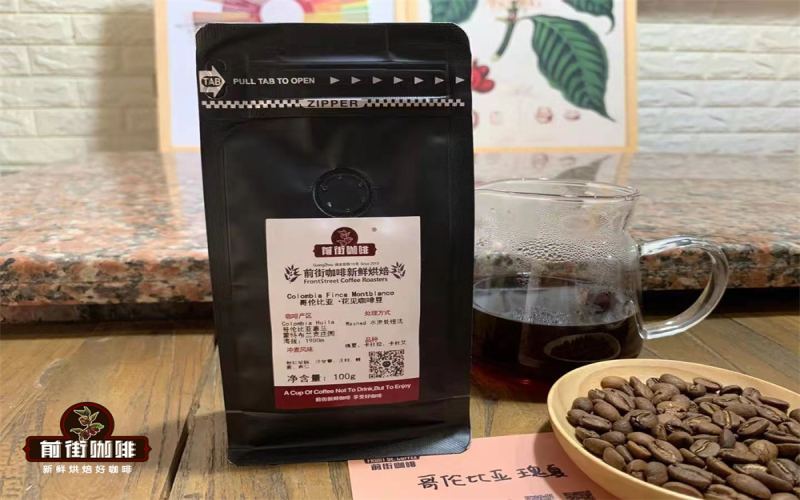
Front Street Coffee brings you a distinctive Colombian Hanami coffee bean, a blend of three major varieties — Geisha, Caturra, and Catuai — washed-processed to present a clean flavor. This bean originates from Colombia's renowned Huila region, carrying a base of nut and caramel with the sweet-tartness of berries, and blooming with the captivating aromas of chamomile and pink pepper at high temperatures. This article will share Front Street's brewing parameters and flavor performance in detail, and take a deeper look at the characteristics of the Huila region and the cultivation story of the Monteblanco estate, giving you a comprehensive understanding of the unique charm of this Geisha blend coffee bean. [more…]
Colombian Geisha Coffee Bean Flavor Analysis | Estate Growing Characteristics in the World's Third-Largest Coffee Exporting Country
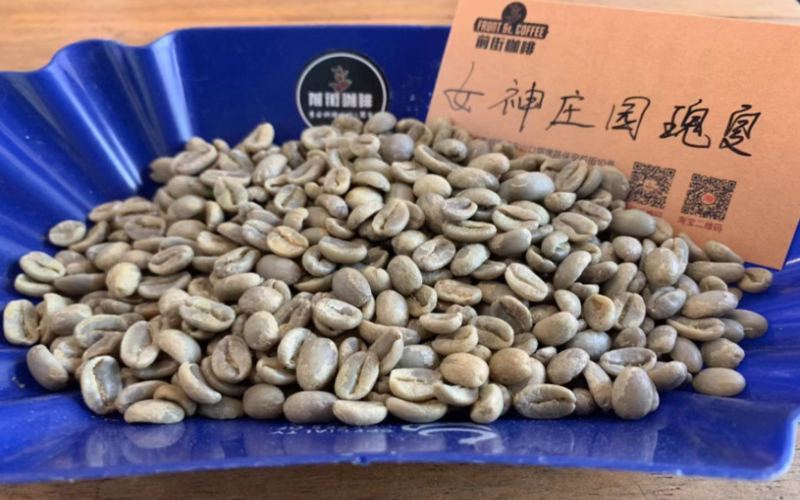
Geisha coffee traveled from the wild forests of Ethiopia to the world stage, enduring nearly a century of obscurity before making a stunning debut in Panama. This article will guide you through Geisha's origins and flavor characteristics, and take you deep into Colombia's Huila region to visit how Finca Monteblanco successfully introduced Geisha. The Colombian Hanami Geisha obtained by Front Street Coffee is a blend of three varieties—Geisha, Caturra, and Catuai—processed using the traditional washed method, revealing rich layers of chamomile, pink pepper, mandarin, and honey. The article also covers Colombia's coffee-growing environment, variety characteristics, and Front Street's roasting and brewing recommendations. [more…]
Geisha Coffee Flavor Analysis: Varietal Characteristics and Brewing Recommendations from Panama to Colombia
Geisha coffee is hailed as the goddess of the coffee world, renowned worldwide for its intense floral aroma, citrus and berry notes, and delicate acidity. From the wild forests of Ethiopia to its stunning debut at Hacienda La Esmeralda in Panama, and then to its successful introduction in Colombia's Huila region, Geisha has traveled a legendary journey spanning nearly a century. This article will provide a comprehensive analysis of Geisha's varietal characteristics, growing environment requirements, and flavor expression, while also offering an in-depth introduction to the Hanami Geisha blend coffee beans from Montenegro Estate in Colombia's Huila region. At the same time, Front Street Coffee will share its roasting approach and brewing parameters for this bean, helping coffee enthusiasts better appreciate Geisha's unique charm. [more…]
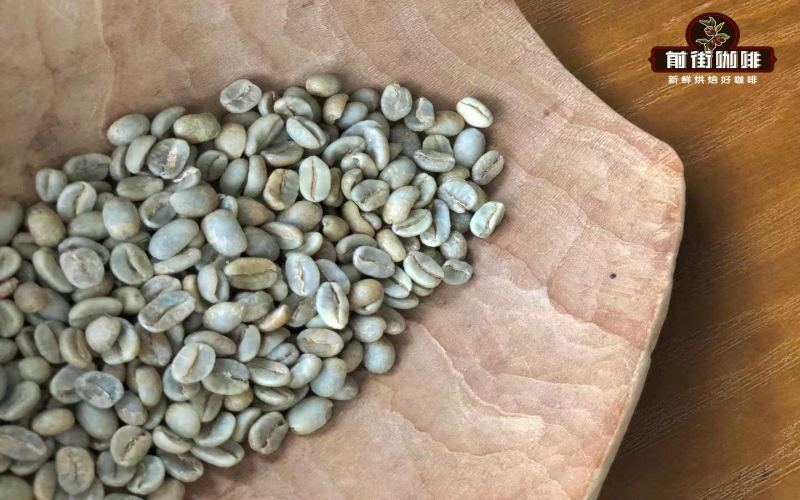
Colombia Geisha Blend Hanami Coffee Beans Review: Flavor and Mouthfeel Analysis of Huila Region
Front Street Colombia Geisha Blend · Hanami Coffee Beans come from the Mont Blanc Estate in the Huila region, at an altitude of 1,900 meters. They are a blend of three varieties—Geisha, Caturra, and Catuai—and are processed using the washed method. This coffee displays aromas of lemon, orange peel, and orange blossom; on the palate it has a lemony black tea-like sweet-tartness, accompanied by the sweet fragrances of peach, strawberry, pomelo, bergamot, and honey. The floral notes are prominent, and the mouthfeel is smooth and delicate. Although it is called a blend, it still falls within the category of single-origin coffee beans—because single-origin emphasizes the same region or estate, not a single variety. Below, we will take you through the unique charm of this coffee from two perspectives: the terroir of the region and the background of the estate. [more…]
Colombia Monteblanco Pink Bourbon Home Pour-Over Guide: Temperature Control Techniques and Japanese Iced Coffee Parameters Explained
Pink Bourbon is an extremely rare variety in the coffee world. Its cherries turn a unique pink when ripe, and it originates from a cross between Red Bourbon and Yellow Bourbon. Because pink is a recessive gene, this coffee is not only scarce in quantity, but its ripeness is also difficult to judge during harvest, yet its flavor is stunning. This article uses [Front Street Huila Monteblanco Pink Bourbon] as an example to explain in detail the parameters and pouring techniques for home pour-over, including water temperature control, grind size selection, coffee-to-water ratio, and staged extraction rhythm. It also includes a complete Japanese-style iced pour-over method to help you reliably recreate at home this rare bean's green grape juice, berry, and floral flavors. [more…]
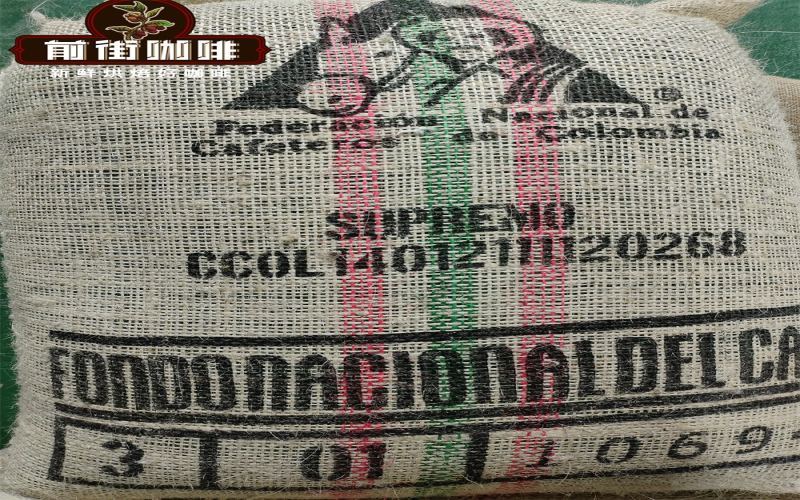
A Complete Guide to Colombia's Coffee Bean Export Grading Standards and the Flavor Profile of the Geisha Variety
Colombia, as a major global exporter of Arabica coffee, has a green bean grading system centered on Excelso as the core export standard, with strict regulations on bean size, defect scoring, moisture content, and more. This article starts with the soft, aromatic characteristics of Colombian coffee, explains in detail FNC's defect scoring rules and Supremo grade requirements, while tracing the journey of the Geisha variety from the forests of Ethiopia to Hacienda La Esmeralda in Panama, and focuses on the Hanami Geisha blend coffee from Finca Mont Blanc in the Huila region. Front Street Coffee presents its layers of pink pepper, chamomile, mandarin, honey, and almond through a light roast, and the article includes complete brewing parameters and recommendations. [more…]
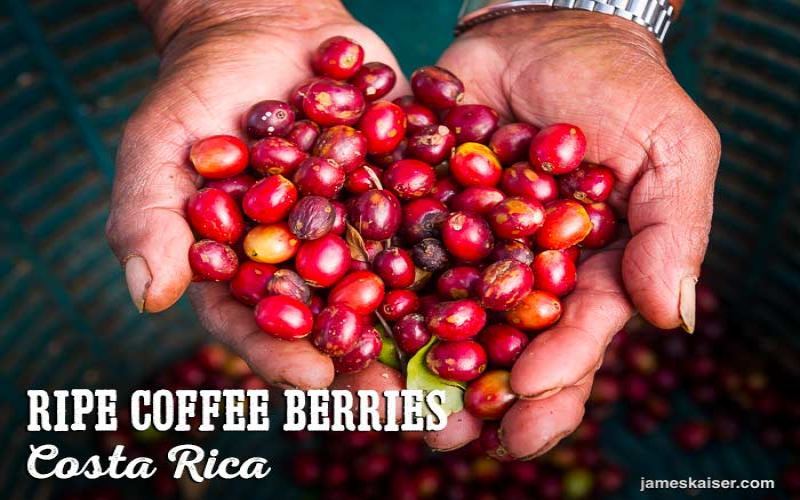
Finca Cantera: A Family Farm Run by the Garrido Sisters
On the 2025 BOP Traditional Variety Group podium, standing behind Hacienda La Esmeralda and Dark Moon Estate, was Cantera Farm—92.25 points, third place. This result belongs to the Garrido family, to the then-estate manager Gis [more…]
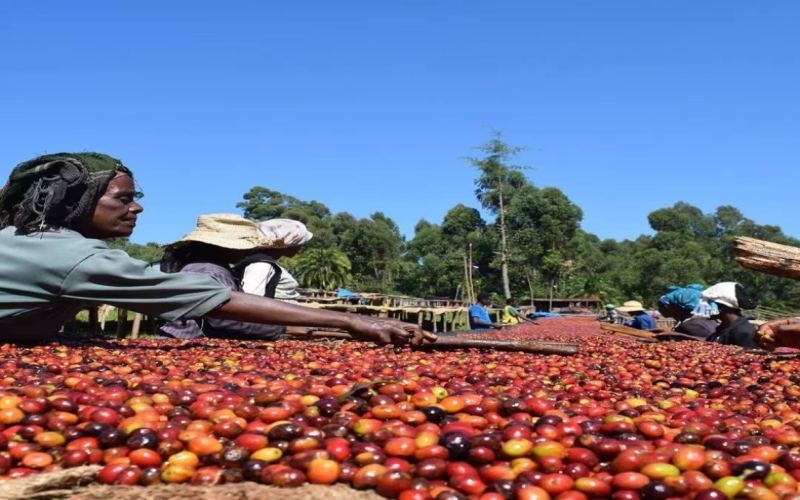
Hacienda Altieri: Family Management and Processing Innovation as Twin Drivers
In August 2026, the 30th BOP concluded in Boquete. In the Traditional Varieties category, Altieri Specialty Coffee took first place with 93.63 points, leaving Hacienda La Esmeralda and Santa Teresa Estate behind, setting [more…]
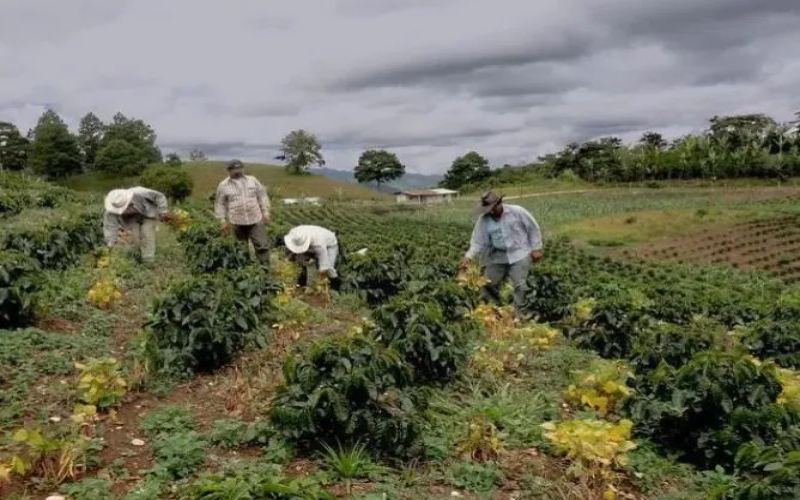
An Analysis of Honduran Coffee Regions and Flavors: From the Caballero Family to Six Major Growing Areas
Honduras has risen to become the largest coffee producer in Central America thanks to its complex terrain and diverse climate, while continually refining its quality. This article will guide you through an overview of Honduran coffee, its main growing regions, and how the most iconic Caballero family has driven the development of specialty coffee. We will also take a deep dive into the terroir characteristics of the Montecillos region, analyzing its bright acidity and fruity sweetness, and include Front Street Coffee's origin recommendations. [more…]
Exploring Hacienda Hartmann in Panama: A Century of Family Heritage and an Analysis of Boquete Geisha Flavors
Hartmann Estate is a century-old family coffee estate in the Boquete region of Panama, and its legendary story and exceptional quality have drawn great attention from coffee lovers. The estate is located in the city of Chiriquí, in the province of Chiriquí, Santa Clara, right next to Barú Volcano, the highest in Central America, at an elevation of up to 3,300 meters. From founder Alois Stras Hartmann to the current fifth-generation family members, the estate has always adhered to scientific cupping and meticulous management. This article will introduce you to the historical origins and processing methods of Hartmann Estate, and provide a detailed analysis of the flavor characteristics of its Black Honey, Washed, Honey Process, and Wine Process coffees. At the same time, Front Street Coffee also recommends related high-quality green beans for you. [more…]
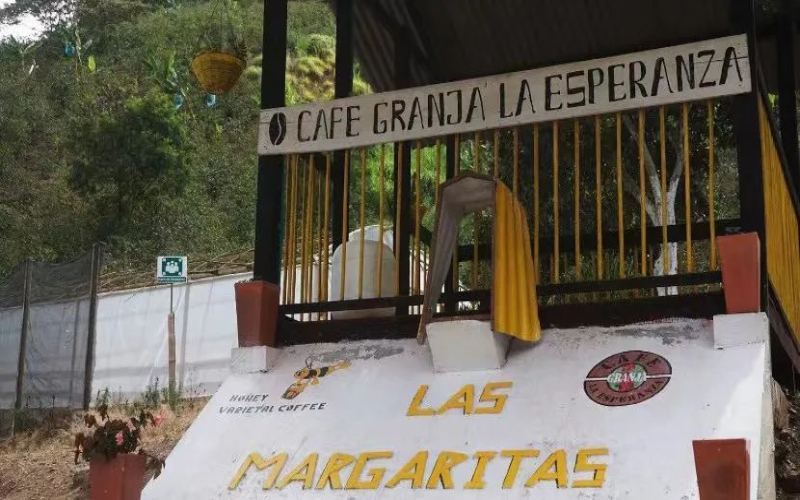
Colombia's Finca La Esperanza and Cerro Azul: A Deep Dive into a Family's Coffee Empire and Geisha Flavors
Cafe Granja La Esperanza frequently appears in coffee competitions and rankings, but it is not a single estate—rather, a coffee family brand made up of several farms. It began when the couple Blanca Ligia Correa and Juan Antonio Herrera acquired Finca Potosí, and the family gradually expanded its holdings to five estates, including Margaritas, Cerro Azul, and Hawaii. In 2007, family member Rigoberto won the BOP championship in Panama, and subsequently introduced Geisha to Colombia, opening a glorious chapter for Cafe Granja La Esperanza. This article provides a comprehensive look at this sun-dried Geisha from the high altitudes of Cauca Department, covering the family history, the terroir of the producing region, and Front Street Coffee's cupping experience. [more…]

Panama Elida Estate: A Century of Lamastus Family Coffee Heritage and Sun-Dried Geisha Flavor Analysis
Located near the Barú Volcano in Boquete, Panama, Elida Estate was founded by Robert Lamastus in 1918 and named after his wife. For over a century, the Lamastus family has passed down their passion for coffee from generation to generation, and it is now in the hands of the fourth generation, with the addition of El Burro Estate as the family's fifth farm. The Elida Natural Geisha roasted by Front Street Coffee shows in cupping a rich layering of pomegranate, peach, white florals, grape, and black tea, with extremely high sweetness, rounded acidity, a silky mouthfeel, and a pronounced tea-like finish. This article will take you through the historical trajectory and flavor expression of this legendary estate. [more…]
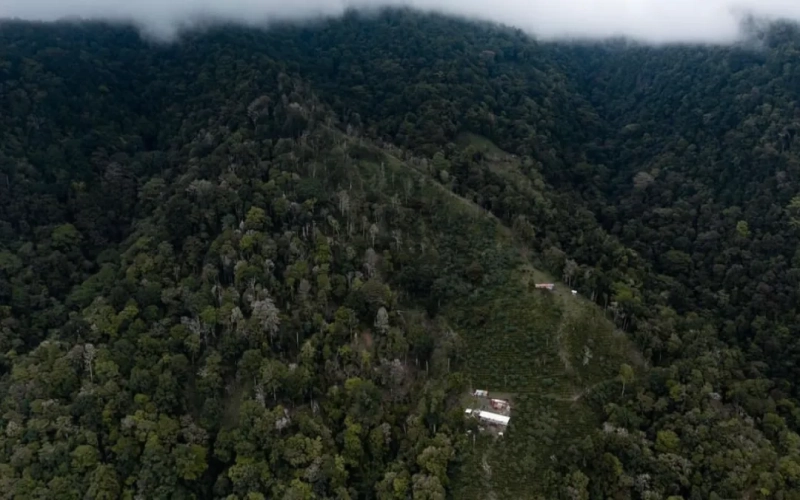
The Development History of Panama Elida Estate Coffee and a Detailed Flavor Analysis of Geisha Natural Beans
Elida Estate is one of the most prestigious coffee estates in Panama, belonging to the Lamastus family. Since its founding, Mr. Robert has made producing high-quality coffee his core pursuit, and this passion has been passed down through generations, now continuing into the family's fourth generation. In recent years, the Lamastus family has acquired El Burro Estate, bringing the number of estates under its umbrella to five, though only three actually produce coffee: besides Elida, there are also El Burro Estate and Elida Estate Luis Quiel, each with its own distinctive character shaped by differences in terroir. Elida covers 65 hectares, more than half of which lies within the protected area of Barú Volcano National Park, where logging is prohibited, leaving an actual planted area of about 30 hectares. The superior microclimate, volcanic soil, and high altitude, combined with the family's strict control over harvesting and processing, give Elida coffee its unique flavor. This article will also share the cupping performance of Front Street Coffee's Panama Elida Estate Natural Geisha. [more…]
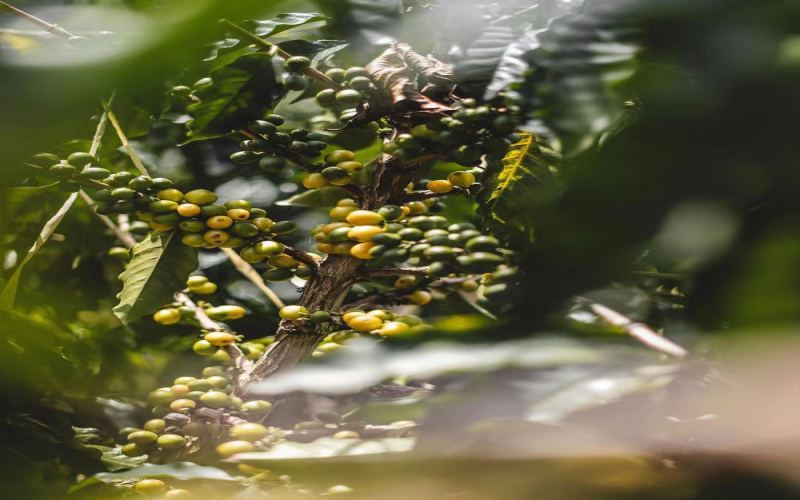
Bolivia Geisha Coffee Flavor Analysis: The Story of the Java Variety and the Rodriguez Family's Specialty Journey
Although Bolivia is hailed as an ideal place for coffee cultivation, its production has always been limited, yet its coffee impresses with rich sweetness and soft acidity. At the 2017 WBC, Japanese competitor Miki Suzuki won the world runner-up title with a Bolivian Geisha, bringing this origin into the spotlight. The Java variety, known as Geisha's cousin, likewise offers an elegant and distinctive flavor. Front Street Coffee once cupped a Cacao Natural Java from the Rodriguez family, which was sweet and tangy with a creamy smoothness. This article will guide you through the development history of Bolivian coffee, its cultivation models, and the distribution of its producing regions, as well as how the Rodriguez family is driving specialty coffee forward, and provide a detailed analysis of the roasting and brewing performance of this Waliki Estate Java coffee bean. [more…]
A Complete Analysis of Bolivian Coffee Regions: From Java Variety to the Rodriguez Family's Specialty Journey
Although Bolivia is hailed as an ideal place for growing coffee, its production has always remained low, and it even once became a minor coffee country. Yet the coffee flavors nurtured on this land are stunning—rich sweetness and soft acidity make it stand out in the specialty coffee world. Front Street Coffee has introduced several Bolivian beans, among which the Java variety cultivated by the Rodriguez family is especially striking, known as Geisha's cousin. This article will guide you through the regional characteristics, development history, and cultivation models of Bolivian coffee, and provide an in-depth analysis of the Coco Natural Java coffee beans from Waliki Estate, from variety tracing to processing innovation, exploring the coffee charm of this landlocked South American country. [more…]